

Innovation
Four-seater – Twin ICE Hybrid Powertrain
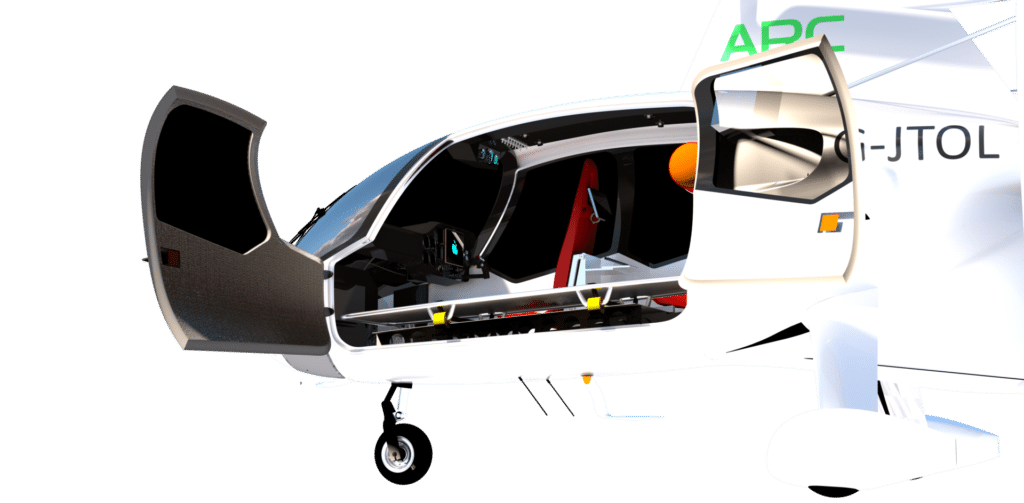
Pegasus III is a modern VTOL solution suited to heavyweight roles at a
fraction of the cost of a helicopter. It is highly innovative but has the
pedigree of a fully Part 27 certified aircraft. The Pegasus III is being
developed in the UK by a dedicated team of experienced engineers with a
significant track record in delivering world-leading products.
Features
P3 Specs
Min Speed
Max Operating Altitude
Take-off Capability
Max Range (10 min reserve)
Landing Capability
Engine
Pegasus As
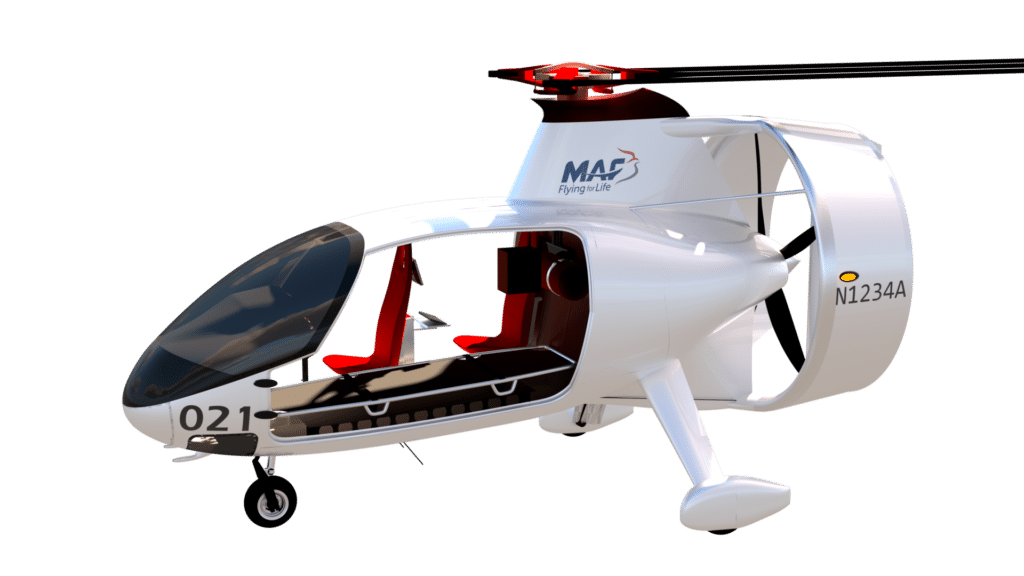
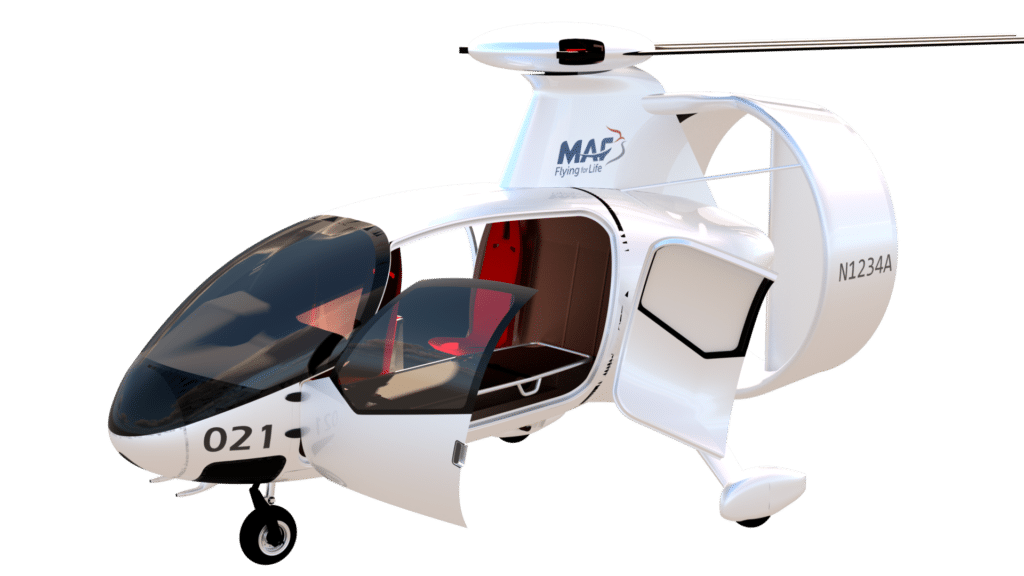
Emergency Medical Services
The most efficient fast response aircraft for EMS and Doctor transport.


Pegasus As
Infrastructure Surveillance Services
With a stable flight platform and 40 km/h slow flight, thorough manned examination of critical infrastructure can be performed.
Pegasus As
Police Rapid Response Aircraft
Invaluable for providing cost-effective first response aircraft in police emergencies.

Where It All Started
The Only Type Certified
The Pegasus is the result of the equivalent of $50m investment and over 2500 hours of test flights and has been Part 27 Type Certified by the U.S. Department of Transportation Federal Aviation Agency and Transport Canada. It was commissioned as a less fuel-hungry, quieter and safer reconnaissance aircraft by the US and Canadian governments. Due to a change in strategy by the US government to focus on the development of more conventional helicopters, the Pegasus was shelved. Anyhow, Avian Aircraft decided to continue with the program and completed the FAA and Transport Canada Part 27 certification.

Pegasus As
Pegasus R&D Test Platform


The enhanced safety of the Pegasus is evident in the case the aircraft loses full power and can still safely land using autorotation. It doesn’t matter if the Pegasus is 10 meters or 500 meters high, the aircraft can safely maneuver to the ground and land almost anywhere.
Another major advantage is reduced noise. Pegasus is much quieter than a conventional helicopter because of the lack of a rear propeller. Around 20% of helicopter noise comes from the tail rotor, and it can be the source of many accidents.
Advanced Regional Connectivity provides the promise of faster/cleaner/cheaper travel to difficult-to-reach places currently served by helicopters, boats, rural roads or congested motorways. The key obstacle that has emerged is the difficulty of getting multi-rotor technologies certified for passenger use due to safety concerns. Pegasus is safe and already certified, allowing ARC to by-pass its competitors.